The practice
A small firm that treats questions as specifications.
Intelligent Requirements is a Colorado research practice based in Monument. The method is borrowed from systems analysis: state the requirement precisely, confirm the source exists, agree what an acceptable answer looks like, then check the answer against it.
Who answers when you write
David Mitchell runs the practice from Monument, Colorado, a short drive north of Colorado Springs. Enquiries are answered by the same person who performs the work, Monday to Friday, 9:00 am to 5:00 pm Mountain Time.
The work begins with a conversation, not a template. Most requests arrive vague: a name, a period, a suspicion that an answer exists somewhere. The first task is to turn that into a scope statement one page long, with identifiers, boundaries and a period covered. Only then does anyone write to a source.
What comes back is measured, not narrated. Each delivered item is matched against the acceptance criteria agreed at the start, and anything missing appears in a gap log beside the results. An incomplete answer, honestly documented, is more useful than a confident one that cannot be traced.
Six rules the work does not break
- The scope is written before the search. If it cannot be written, it is not yet a request.
- A source is verified as existing and publicly reachable before it is contacted.
- Acceptance criteria are agreed in advance, so completeness is a measurement and not an opinion.
- Every delivered item carries a citation: what it is, where it came from, when it was checked.
- Gaps are listed in writing. A negative result is recorded the same way a positive one is.
- If information is not obtainable, the feasibility review says so plainly, early, and in writing.
A clear desk, a single notebook
The practice keeps one register per engagement: the queries actually run, the sources actually checked, and the date of each check. When a result is questioned months later, the register answers.
Nothing about the work requires a large office. It requires patience, a habit of writing things down, and the willingness to tell a client that the document they hope for does not exist.

Based in Monument, working everywhere
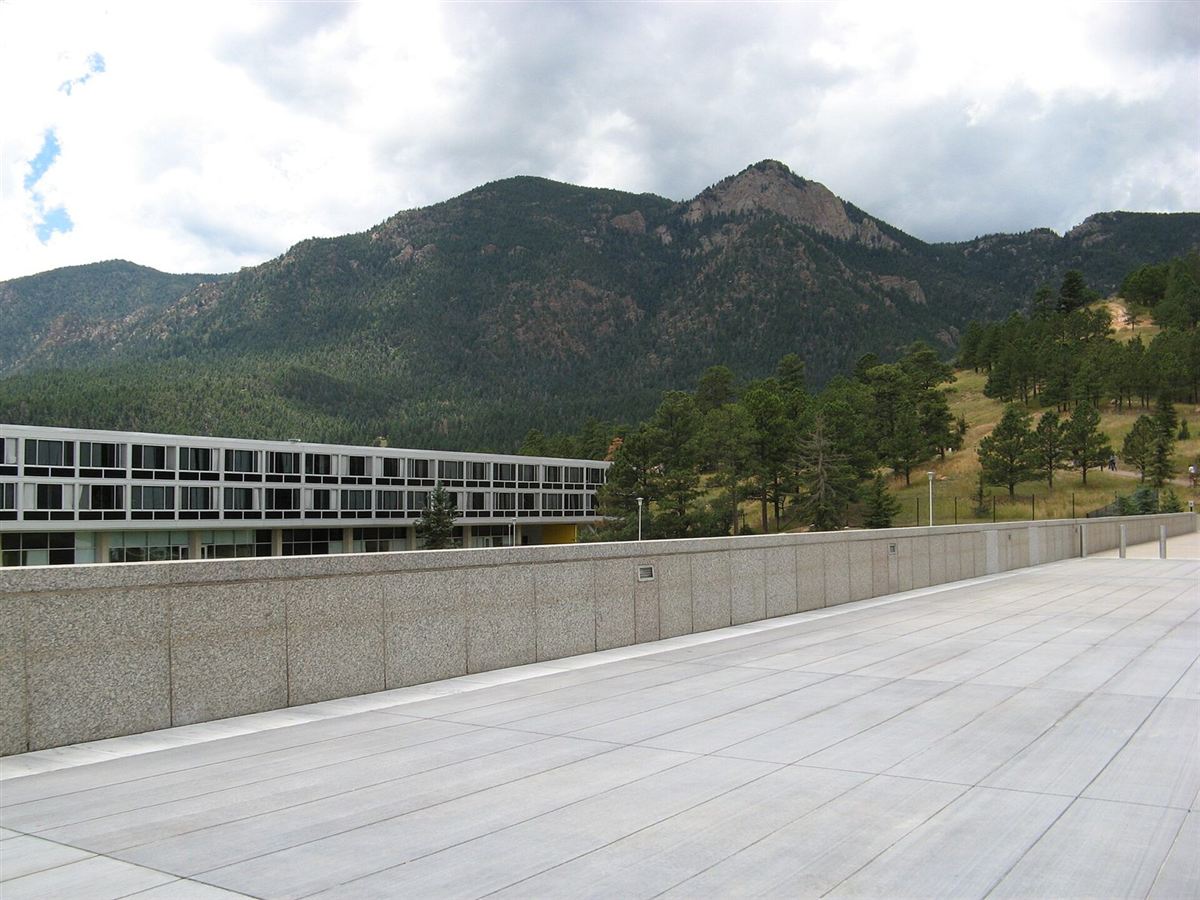
The office sits in Monument, Colorado, between Denver and Colorado Springs along the Front Range. Colorado engagements are served in person where presence helps; engagements across the United States run remotely, because a verified source register and a written scope do not depend on geography.
The people served are analysts, compliance teams, grant and due-diligence researchers, and anyone who has received an answer that did not match the question.